How Small Batches of Sales Add Up Over a Year
Casual declutterers can earn thousands annually by selling household items across platforms.

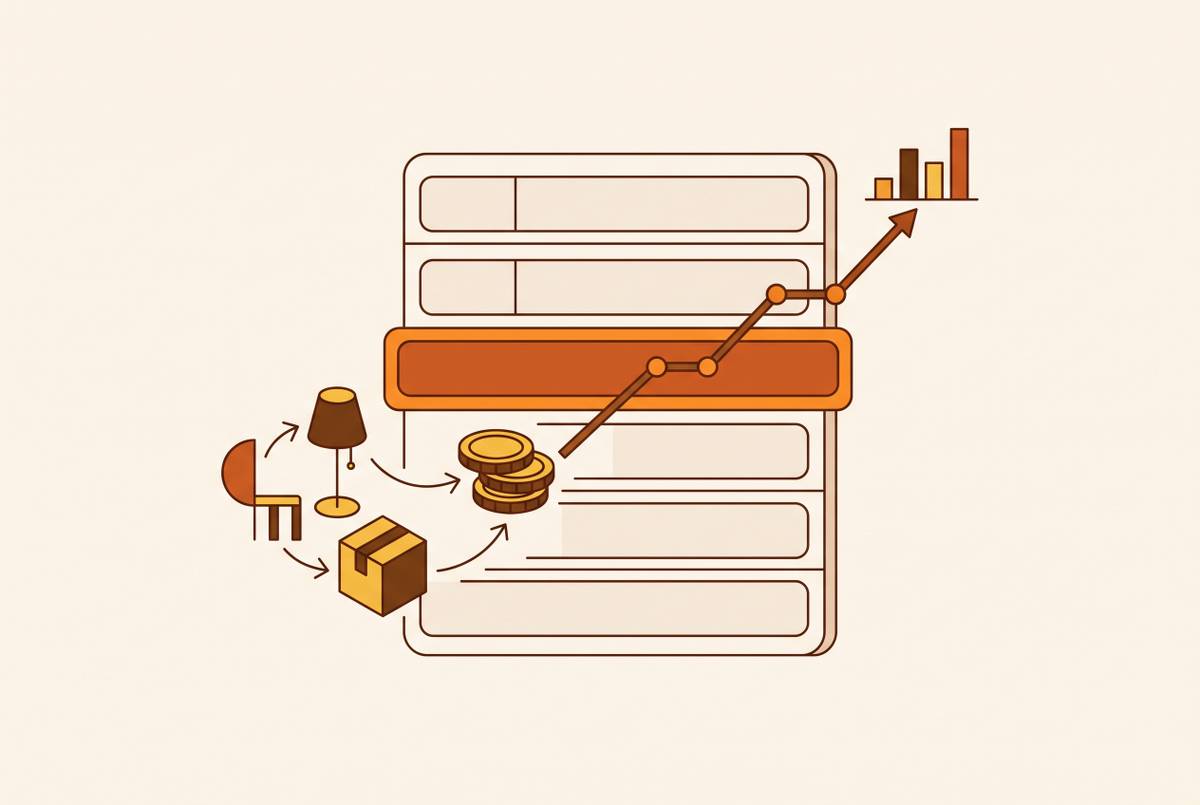
Five items listed on a Saturday afternoon feels like nothing. A used blender, a pair of jeans that never fit right, an old phone sitting in a drawer, maybe a lamp nobody asked for. It's beer money, people tell themselves, not worth tracking, barely worth the photo. That instinct is where the math goes wrong.
The US secondhand market hit $56 billion in 2025 and is growing five times faster than traditional retail. That growth isn't coming from warehouses full of professional flippers. The industry as a whole is projected to reach $350B+ globally by 2027, driven by sustainability trends and digital-native shopping habits. It's coming from ordinary people clearing out closets, garages, and junk drawers one small batch at a time. Startup costs for anyone getting into reselling can be as low as $65, with profit potential ranging from a few hundred to several thousand dollars monthly. The individual batch feels trivial because it is small. The question this piece answers is what that small, repeated effort actually turns into once you stop counting by the weekend and start counting by the year.
The annual math on a casual selling pace
The numbers change the picture fast once you run them. A casual seller putting in a few to several hours a week, selling stuff from around the house or picked up on a weekend thrift run, earns a realistic monthly net that tends to surprise people once they actually see it written down. Annualized, that range comes to $2,400 to $9,600 a year.
That's close to found money. It's money sitting in a home in the form of stuff most people would have bagged up for a donation bin or left at the curb.
The clothing example makes the mechanism concrete. Source a handful of items cheaply, sell them at a solid markup, and the after-fee, after-cost net comes out to a few hundred dollars a month. Nobody's quitting a job over that. FlipTip AI's 2026 guide cites a named casual Poshmark seller case called Sarah to illustrate that same math. The math comes from doing the same small thing on repeat, month after month, until the total becomes large enough to notice. The batch stays small. The year doesn't.
The structural advantage declutterers have over traditional resellers
Anyone who's read a reseller forum knows the pushback: fees eat you alive. Platform cuts, shipping costs, and the cost of the goods themselves can chew through gross revenue fast, and that's a fair warning for someone buying inventory to flip.
It just doesn't apply to a declutterer. Someone buying items at a thrift store to resell has to cover what they paid for it before they see a dime of profit. Someone selling their own old MacBook or a stroller their kid outgrew paid for that item years ago, for reasons that had nothing to do with resale. The cost of goods is already sunk. So every dollar that comes in above fees and shipping is pure profit. The same fee percentage looks a lot less scary when there was no purchase price to erode in the first place, which puts the declutterer in a structurally better position than the reseller math implies.
The spread has also widened in the seller's favor lately. Tariffs on new electronics, appliances, and imported goods have pushed retail prices up, which makes used versions of the same items look more attractive to buyers. A buyer comparing a new blender at inflated prices to a lightly used one at a fraction of the cost is doing exactly the math this article is describing, just from the other side of the transaction.
Categories from a typical home that produce the most return per item
Most used household items sell for somewhere between thirty and sixty percent of what they originally cost, which turns an average home into a decent inventory source without anyone having to buy a single new thing.
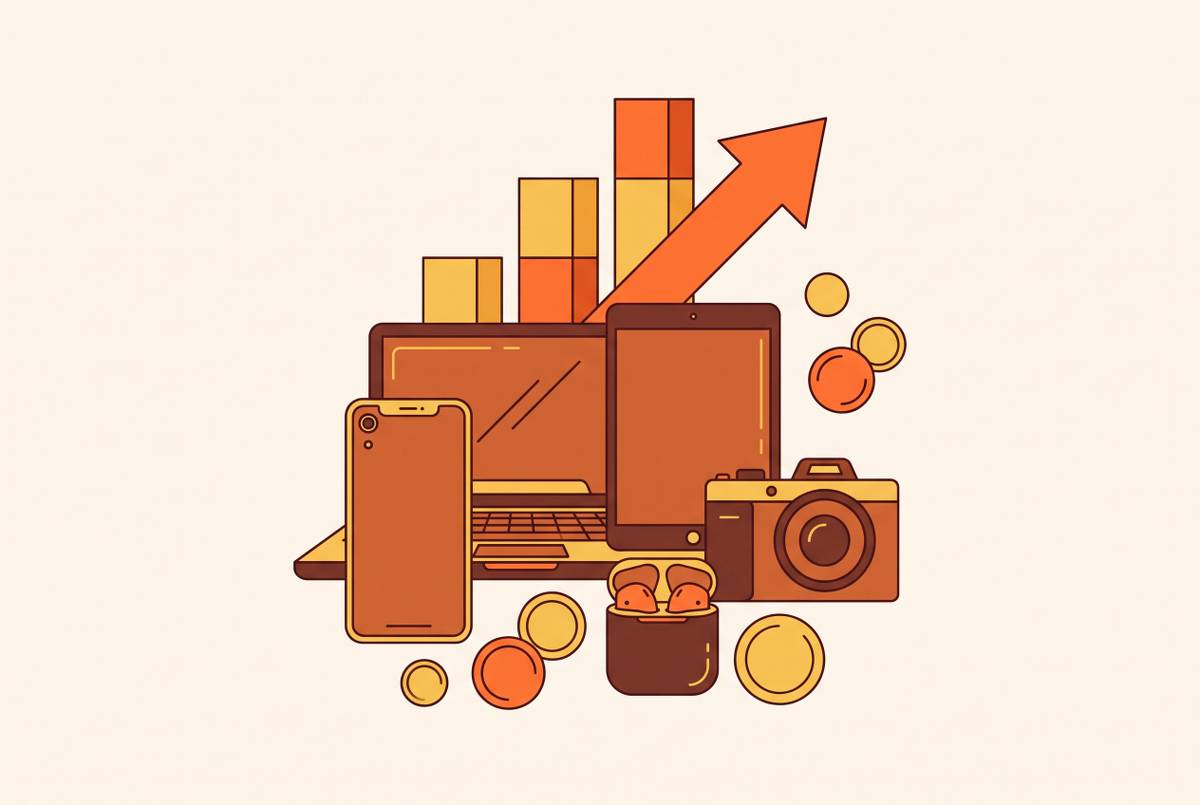
Some categories punch well above that average, though. Electronics are the standout: iPhones, MacBook Air and Pro models (especially ones with more RAM), Apple Watch Series 6 and newer, and AirPods all moved consistently through 2025 resale tracking, with Apple's resale unit sales up 29% that year. Sneakers and athleisure gear from brands like Nike, Hoka, On Cloud, and Lululemon carry strong margins too, though anything high-end in sneakers needs a real look for authenticity since counterfeits have gotten harder to spot.
Vintage and designer goods reward patience. Big ticket electronics like iPads, MacBooks, and AirPods continue to drive high-revenue resale. Mid-century modern furniture can sell for more than it originally cost once it's been cleaned up, and luxury handbags from Louis Vuitton, Gucci, and Chanel combine strong resale value with buyers who are always looking. Toys, collectibles, and kids' gear round out the list in a way a lot of people overlook: old action figures and trading cards tied to a specific era move fast, and Montessori-style toys along with high-end strollers have turned into unexpected hits as parents lean into buying secondhand for cost and sustainability reasons. Furniture, kitchen equipment, and tools fall back on that general thirty-to-sixty-percent benchmark, but that's still real money sitting in a garage.
How platform choice affects how much of each sale you keep
Where an item gets listed changes how much of the sale price actually lands in a pocket, and the differences are large enough to matter across a full year of batches.
Facebook Marketplace charges nothing for a local, in-person sale. Shipping an item through Facebook's checkout instead brings a fee of ten percent of the full transaction, including whatever the buyer paid for shipping and tax, with a small minimum fee attached, double what it was in 2024. As of February 24, 2025, sellers could no longer buy or create prepaid shipping labels for new Marketplace listings. Sellers listing new items also have to handle and pay for their own shipping label now, rather than relying on one generated by Facebook, though the platform has quietly brought prepaid labels back for some sellers. Meta charges Individual Sellers a fee of 10% per transaction, with a minimum fee of $0.80, calculated on the entire transaction amount including shipping fees and applicable taxes.
eBay charges around fourteen percent on common standard-category sales once the final value fee and order fee are combined, but its massive buyer pool gives niche and collectible items national reach that local platforms can't match. Heavy or bulky items like furniture and gym equipment do better staying local: shipping a mid-priced dresser through eBay can eat a large chunk of the sale price in freight alone. Electronics, tools, and collectibles benefit from eBay's national reach, while fashion, streetwear, and vintage pieces tend to find their buyers faster on platforms built around that aesthetic, like Poshmark and Depop.
Selling across more than one platform at once, rather than picking a single home base, tends to produce meaningfully more income, simply because different platforms put an item in front of different buyers. Photo-to-listing tools that push a single listing out to multiple marketplaces at once have made that far less painful, which matters a lot for a section further down.
Sold data, not asking prices, is what sets the right price
An asking price is a hope. A sold price is a fact. The two get confused constantly, and that confusion is probably the single most common pricing mistake casual sellers make.
Ten listings of the same espresso machine at an asking price mean ten sellers are hoping for that price, not that the machine is worth it. Whether anyone actually paid that price only appears in completed transactions. eBay makes this checkable directly: its "Sold Items" filter shows the real prices buyers paid for identical or comparable items, and it's the fastest way to find an actual price floor before listing anything. Facebook Marketplace doesn't offer that same view into completed sales, so pricing an item there without first checking eBay's sold data is close to guessing.
A little strategy helps once the floor is set. Pricing ten to fifteen percent above the median sold price gives room to negotiate, which matters on Facebook Marketplace where offers are the default, though it also means the listing sits a bit longer while lowball offers roll in. Including original accessories like chargers, remotes, manuals, or packaging, and spelling out what's included in the listing, can push the final price up meaningfully. Across a year of batches, the gap between guessing at a price and pricing off real sold data adds up to a noticeably different annual total.
How listing friction silently kills the compounding effect
None of this math works if the item never gets listed, which is the quiet failure point in the whole argument: a friction problem, not a motivation problem.
Listing quality, meaning decent photos, an accurate description, and the right keywords, is one of the main things separating sellers who earn consistently from sellers who don't. Writing all of that from scratch for every single item, on top of researching a fair price and picking the right platform, is a task that gets pushed to tomorrow.
An item sitting in a pile while someone means to get around to it is three straight months of zero return on inventory that already exists and cost nothing to acquire. Skipping one batch means fewer items get listed, fewer sales happen that month, and the annual total ends up well below what the math promised at the start of the year.
Tools that remove the listing work so the batches happen
Fixing slow listings means speeding up listing itself, and the right tool depends entirely on how much someone is actually selling.
This is the approach the company behind this blog takes, enabling sellers to list to eBay and Facebook Marketplace from one photo. No research required, no writing from a blank page. That's the approach this blog's own company takes, letting sellers list to both eBay and Facebook Marketplace straight from a single photo, which fits a declutterer who wants items gone without becoming a resale expert first.
Volume resellers with dozens of active listings across many platforms need something heavier: a crosslisting manager built to push listings everywhere at once and keep inventory synced so nothing sells twice. That's overkill for someone moving five or ten items a month. eBay's own app, which includes the free Magical Listing AI feature, is sufficient for sellers at a low-volume pace who are already comfortable on eBay.
The rule of thumb is simple: match the tool to the volume. A declutterer selling a modest number of items each month doesn't need a full crosslisting system. What actually moves the annual number is making the listing step close to effortless, so the batch happens instead of sitting in a pile until next season.
What taxes look like at casual selling volumes
Taxes stop a lot of people before they even start, usually because the picture in their head is worse than reality.
Monaco CPA notes a seller splitting activity between two platforms could stay under the threshold on both individually, even if the combined total for the year is substantial. That said, not getting a 1099-K doesn't mean the income is off the books. Monaco CPA notes all reselling income is reportable regardless of whether a form ever shows up. The form triggers a filing requirement for the platform, not the underlying tax obligation.
For most declutterers, the practical outcome is reassuring anyway. Selling personal items for less than the original purchase price generally counts as a capital loss with no tax owed, and casual sellers offloading their own stuff typically don't owe self-employment tax on those sales. None of this replaces an actual conversation with a tax professional about a specific situation, but the baseline picture for casual selling is far less alarming than the paperwork anxiety suggests.
Protecting the annual total from scams that wipe out individual sales
One bad scam on a mid-priced item can wipe out a month's worth of small-batch progress in a single afternoon, so a little scam literacy belongs in this math right alongside pricing and platform choice.
The most active scam making the rounds on Facebook Marketplace in 2026 is the so-called payment upgrade scam. A buyer claims they've already paid, then the seller gets a message claiming they need to upgrade to a business account, or pay some refundable fee, before they can access the money, something no legitimate payment system ever requires. That's not how any legitimate payment system works. No seller ever needs to pay money to receive money, on any platform, under any circumstance.
The same instinct that catches that scam catches most others on eBay and Facebook Marketplace alike: any request for a fee before funds release, any pressure to move the conversation off-platform, any payment confirmation that doesn't come from the platform itself. None of it takes more than a few seconds of skepticism to catch, and that skepticism is what keeps the annual total intact instead of getting erased by a single bad actor.
Sources
- How Much Do Resellers Make in 2026? Real Income Numbers by Platform | Voolist
- Reseller Tax Guide 2026: eBay, Poshmark, Depop Deductions | Monaco CPA
- How Much Money Can You Make Reselling? Honest 2026 Numbers | FlipTip AI
- How to Start a Reselling Side Business in 2026
- How to Start Reselling in 2026: Complete Beginner's Guide | ResellAIO
- Sold Data vs. Asking Price: How to Price Used Items (2026)